
Services
Focused Veterinary Services With Advanced Capability
Serving San Antonio Pets With Reliable Advanced Procedures
Not Every Case Fits in a Box. That’s Why We’re Here.
No two pets are alike, and no two procedures are either. At Alliance, we offer individualized care plans, including tailored anesthetic protocols, to prioritize your pet’s safety and long-term recovery.
Diagnostic & Support Services
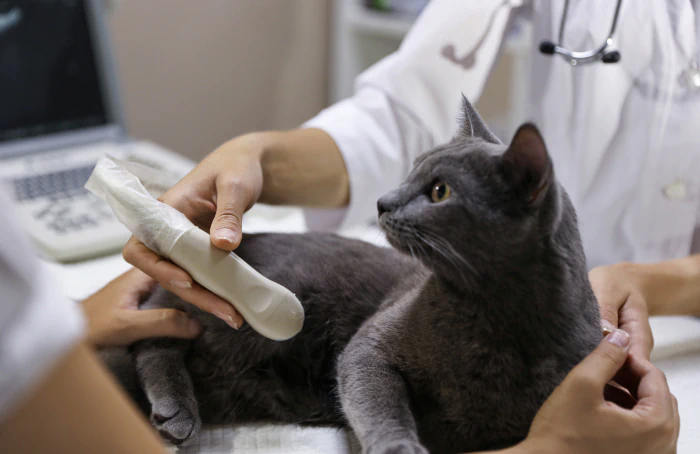
Imaging & Technology
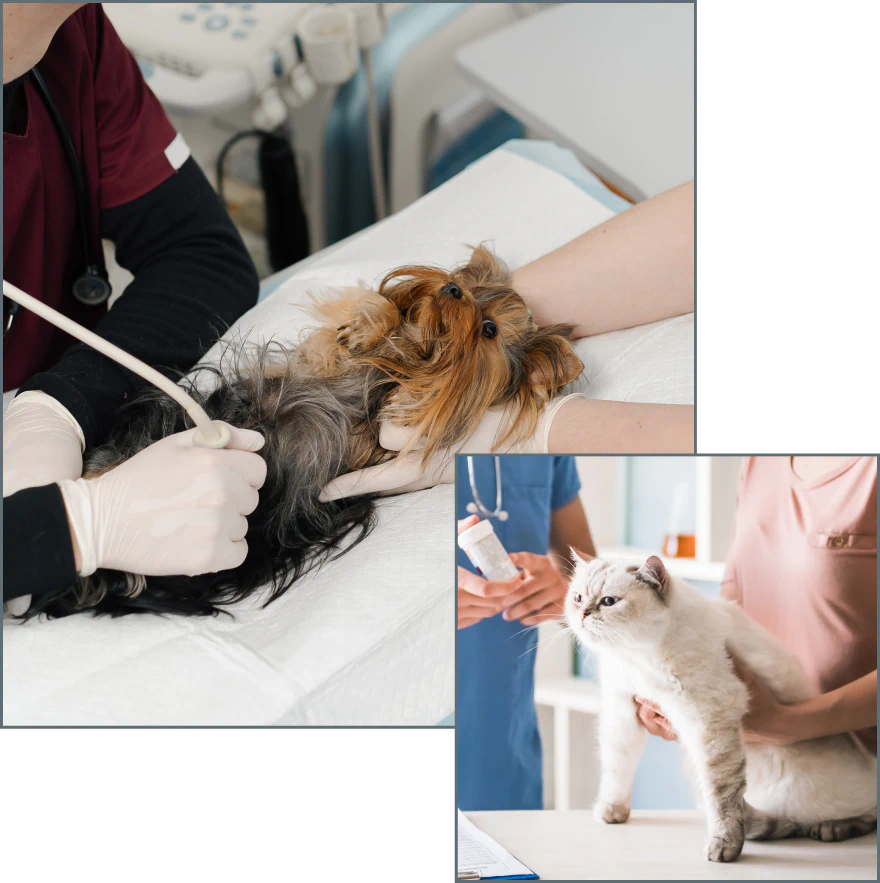
Digital radiography, dental x-rays, point-of-care ultrasound.
Surgical Tools
Cautery and vessel-sealing devices to enhance precision and safety.
Client Resources
We’re Committed To Educating Pet Owners To Better Support Their Pets
What to Expect After Your Pet’s Procedure
Appetite
Your pet may have a decreased appetite the evening after their procedure. This is common.
- For orthopedic/general soft tissue procedures: Small amounts of water are okay 2-3 hours after recovery. Offer a small meal in the evening following surgery. If they are not interested, try again the following morning.
- For gastrointestinal surgeries: Offer small amounts of water 2-3 hours after recovery. Veterinary gastrointestinal diets are preferred (canned, soaked kibble). You may also offer boiled chicken or protein-only baby food (cats). Specific feeding plans will be provided at discharge.
Bowel Movements
Bowel movements may be delayed for 1-3 days following anesthesia.
- This can be due to fasting, medications, and decreased activity
- Mild constipation is common. You may add 1-2 tbsp of canned pumpkin (not pumpkin pie filling) to their food 2-3 times per day.
- If your pet strains, seems uncomfortable, or has no bowel movement after 3 days, please contact us or your primary veterinarian.
Energy Level & Behavior
Your pet may seem tired, unsteady, or quieter than normal.
- Mild grogginess can last through the evening
- Some pets may appear more clingy or withdrawn
- Energy levels should gradually return to normal within 24-48 hours
Vocalization or Restlessness
Some pets may whine, cry, or seem restless after anesthesia.
- This can me a normal reaction as the medications wear off
- It does not always indicate pain. Your pet will be sent home with appropriate pain medications post-operatively
- Keep your pet in a calm, quiet environment during this period
Incision Care
If your pet has an incision:
- Check the area daily for redness, swelling, or discharge
- A moderate amount of bruising or swelling is expected and should start to dissipate after a few days
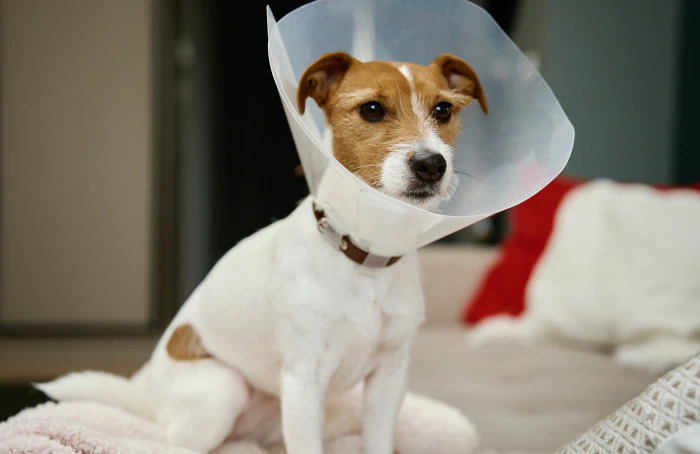
- Prevent licking or chewing with the provided HARD-sided elizabethan collar (Soft e-collars and donut collars are inadequate for most pets)
- Do not apply any topical medications to the incision unless otherwise directed
- Dried blood/crusting may be gently cleaned with a clean, damp washcloth
- Cold packs are useful during the first 48-72 hours following surgery. Always have a barrier (like a thin towel) between the cold pack and the skin
- Warm compresses are best utilized after 72 hours if swelling persists
- Do not bathe your pet or allow the incision to get wet unless otherwise directed
Activity Restriction
Limit your pet’s activity during recovery:
- Do not allow any running, jumping, or rough play
- For abdominal procedures, allow short, controlled leash walks only
- For orthopedic procedures, follow the provided plan for a gradual return to normal activity
For Dentals With Extractions
- Feed canned food only for 14 days
- Do not lift the lip to look at the extraction site. Doing so could damage the closure of the site
- Monitor for excessive facial swelling, drooling, or bleeding from the mouth
- Maintain use of an elizabethan collar if provided until your recheck
When to contact us
Please contact us if you notice:
- Refusal to eat for more than 48 hours
- Vomiting or diarrhea
- Significant swelling, discharge, or opening at the incision site
- Excessive lethargy or weakness
- Persistent crying or signs of pain
If serious concerns occur after hours, please proceed to a 24-hour emergency facility. Request records be sent to us.