
Orthopedic Surgery
Orthopedic Surgery Vet in San Antonio, TX
Alliance Veterinary Procedure Center provides orthopedic surgery for pets struggling with pain, limping, reduced mobility, bone injuries, joint instability, ligament damage, tendon injuries, and chronic lameness. Our practice is designed specifically around advanced surgical care, giving pet owners access to focused procedural support, clear communication, and thoughtful planning before surgery ever takes place.
Alliance Veterinary Procedure Center offers consultation appointments to discuss surgical options, expected outcomes, recovery timelines, and financial planning before you commit to a procedure. We also work closely with referring veterinarians, helping extend the care your pet already receives through a collaborative approach.
What Is Veterinary Orthopedic Surgery for Dogs and Cats?
Veterinary orthopedic surgery focuses on treating injuries and conditions that affect a pet’s bones, joints, ligaments, tendons, and related support structures. These procedures are designed to improve function, reduce discomfort, and help pets move more comfortably when a structural problem cannot be managed well through medication, rest, or other conservative care alone.
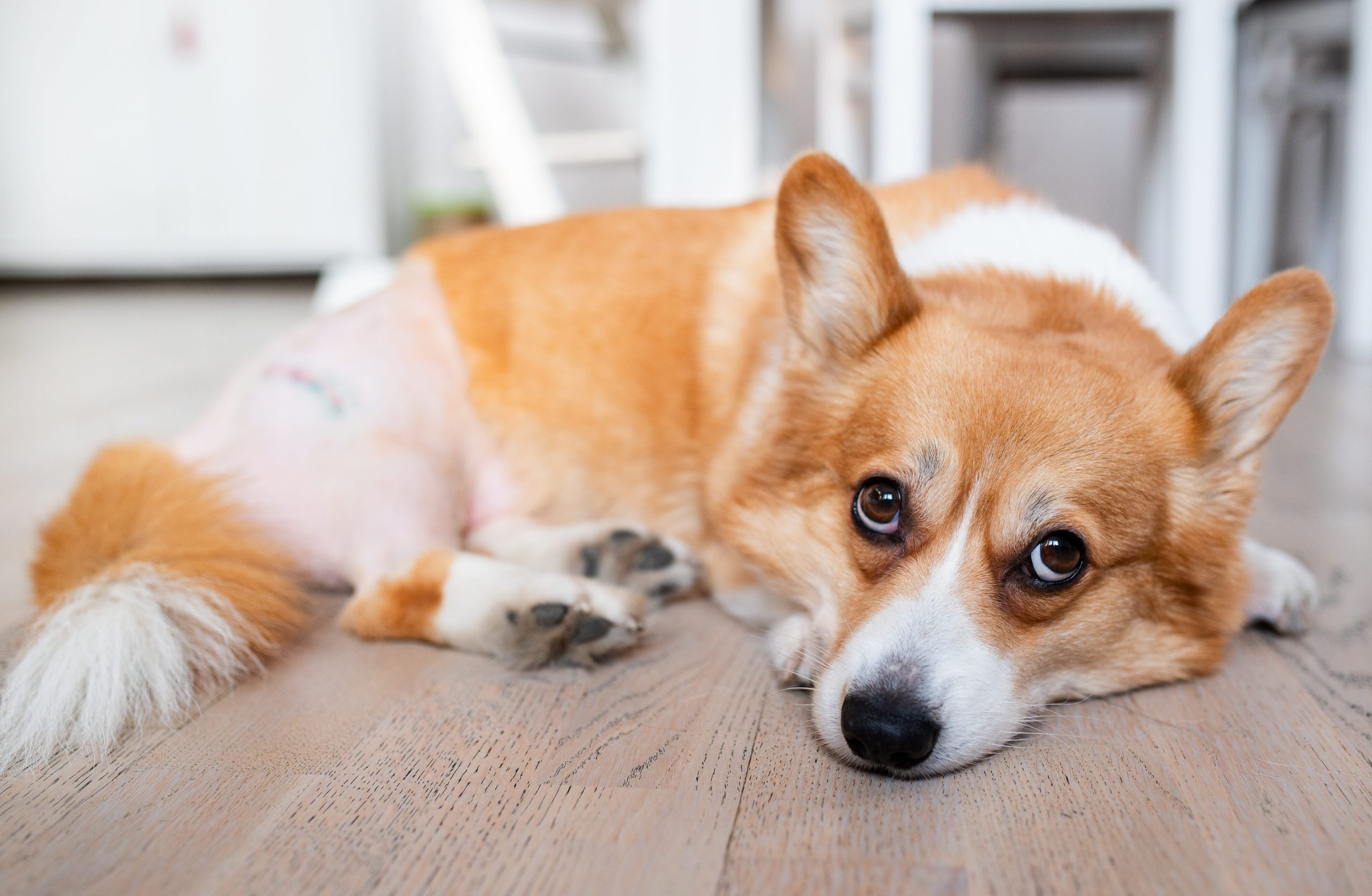
Orthopedic problems can affect dogs and cats of different ages, sizes, and activity levels. Some pets experience a sudden injury, such as a fracture or ligament tear. Others develop progressive issues that become more noticeable over time, including joint instability, chronic lameness, or developmental orthopedic conditions.
The purpose of pet orthopedic surgery is not only to correct an injury. It is also to support long-term comfort, improve mobility, and reduce the risk of further joint damage or compensation injuries. When surgery is recommended, the care plan should consider the pet’s overall health, pain level, procedure type, recovery needs, and long-term quality of life.
FAQs
Have more questions?
What Are the Signs My Pet Has an Orthopedic Injury?
Pets often show orthopedic pain through changes in movement, behavior, posture, or activity. Some signs are sudden and obvious, while others develop gradually. Because dogs and cats may hide discomfort, even subtle changes can be important.
Common signs of an orthopedic injury in pets include:
- Limping or favoring one leg
- Trouble standing, walking, running, or climbing stairs
- Reluctance to jump, play, or exercise
- Sudden yelping or signs of pain after activity
- Swelling around a joint or limb
- Stiffness after resting
- Chronic lameness that does not improve with medical management
- Abnormal gait or posture
- Reduced activity level
- Sensitivity when a leg, hip, shoulder, or joint is touched
What Happens During a Pet Orthopedic Surgery Consultation?
A pet orthopedic surgery consultation gives you time to understand your pet’s condition, ask questions, and review the options available before making a decision. This appointment is especially helpful when your pet has been referred by a primary veterinarian or when you need more information about whether surgery is the right next step.
During the consultation, our team may review your pet’s medical history, symptoms, previous treatments, prior imaging, and referral information when available. Dr. Kaitlyn Hammontree evaluates the concern and discusses possible treatment options based on your pet’s needs.
We want pet owners to feel informed, not pressured. Our team explains what to expect before, during, and after surgery so you can make decisions with clarity and confidence.
What Veterinary Orthopedic Procedures Are Available at Alliance Veterinary Procedure Center?
Alliance Veterinary Procedure Center provides evaluation and surgical care for a range of orthopedic conditions in dogs and cats. The exact recommendation depends on the pet’s diagnosis, overall health, injury severity, and expected recovery needs.
Orthopedic procedure categories may include care for:
- CCL tear repair or surgical options for dog ACL-type injuries
- Patellar luxation surgery
- Fracture repair
- Joint instability procedures
- Tendon and ligament injury repair
- Surgical care for select developmental orthopedic conditions
- Orthopedic evaluation for chronic lameness
How Should I Prepare My Pet for Orthopedic Surgery?
Preparing for pet surgery begins with clear communication. Before the procedure, our team provides instructions based on your pet’s condition, health history, medications, anesthesia plan, and surgical needs.
Helpful preparation steps may include:
- Follow all pre-surgical instructions from our team
- Share current medications, supplements, and recent medical records
- Provide previous diagnostics or imaging when available
- Ask questions about anesthesia, pain management, recovery, and restrictions
- Prepare a quiet, controlled recovery space at home
- Plan for activity restriction after surgery
- Arrange safe transportation home
- Follow any fasting or medication instructions provided before surgery
Because orthopedic recovery often requires strict movement control, it is helpful to prepare your home before the procedure. This may include blocking stairs, limiting access to slippery floors, setting up a crate or small room, and making sure your pet can rest away from rough play or high-activity areas.
What Should I Expect During My Pet’s Orthopedic Surgery Process?
The orthopedic surgery process starts before the procedure itself. Each patient receives a thorough evaluation and anesthetic planning process. Our team creates an individualized care plan based on your pet’s health, the procedure being performed, and the recovery support needed afterward.
Alliance Veterinary Procedure Center is designed around surgical care, which helps support efficient scheduling, focused planning, and a streamlined experience from intake through discharge. During the procedure, our team focuses on patient safety, pain management, careful technique, and communication.
Most orthopedic patients go home the same day or the following day, depending on the procedure and the pet’s individual needs. At discharge, we review instructions for medications, activity restriction, incision care, bandage care when needed, e-collar use, and recheck timing.
Our goal is to help you leave with a clear understanding of what your pet needs at home and when to contact us with concerns.
How Long Does It Take a Pet to Recover From Orthopedic Surgery?
Recovery after pet orthopedic surgery varies depending on the condition treated, the procedure performed, your pet’s age, overall health, activity level, and how closely postoperative instructions are followed.
Most pets need structured activity restriction after orthopedic surgery. This may include leash walking only, crate rest, limited stairs, no jumping, and no rough play for a period of time. Pain management is also an important part of recovery, and medications should be given exactly as directed.
Recheck appointments allow our team to monitor healing, answer questions, and adjust instructions when needed. Successful orthopedic outcomes depend heavily on postoperative care, especially in the weeks after surgery when pets may start feeling better before they are fully healed.
You should contact our team if you notice swelling, worsening pain, bandage issues, incision concerns, appetite changes, difficulty using the limb, or anything that feels unusual during recovery.
What Can I Do to Help My Pet Recover Successfully?
Owner involvement is one of the most important parts of orthopedic surgery recovery. Even a well-planned procedure depends on careful home care, activity control, medication compliance, and scheduled follow-up.
To help your pet recover successfully:
- Follow activity restrictions carefully
- Use all prescribed medications as directed
- Use e-collars when recommended
- Follow bandage care instructions when provided
- Attend all scheduled recheck appointments
- Keep your pet’s recovery area calm and controlled
- Prevent running, jumping, rough play, and stairs unless cleared by our team
- Contact Alliance Veterinary Procedure Center immediately if concerns arise
- Understand that successful outcomes depend heavily on postoperative care
It can be difficult to restrict a pet that wants to move around, but these instructions protect the surgical site and support proper healing. Our team will explain what level of activity is appropriate during each stage of recovery.
How Much Does Orthopedic Surgery for Pets Cost?
The cost of orthopedic surgery for pets depends on the condition being treated, the complexity of the procedure, diagnostics, anesthesia needs, medications, hospitalization, and recheck care. Because each pet’s case is different, an accurate estimate requires an evaluation and treatment discussion.
Alliance Veterinary Procedure Center offers consultation appointments to discuss surgical options, expected outcomes, recovery timelines, and financial planning before committing to surgery. This gives pet owners a clearer understanding of what may be involved and helps reduce uncertainty before making treatment decisions.
Our practice strives to bridge the gap between general practice and specialty referral hospitals. We believe pets deserve access to thoughtful procedural care, and owners deserve clear communication about recommendations, expectations, and planning.
Have more questions?
Our team is here to help – please dont hesitate to reach out to our office.
Why Choose Alliance Veterinary Procedure Center for Your Animal’s Orthopedic Surgery?
Alliance Veterinary Procedure Center is designed specifically around surgical care. This focused environment allows our team to support advanced procedures with planning, efficiency, communication, and individualized attention.
Pet owners choose our practice because we offer:
- A dedicated surgical environment
- Advanced orthopedic procedures
- A strong commitment to affordability and communication
- Consultation appointments before surgery
- Individualized anesthetic protocols
- Clear recovery guidance
- Collaboration with referring veterinarians
- Support from a doctor with a focused interest in small animal surgery and dentistry
Schedule an Orthopedic Surgery Consultation in San Antonio, TX
If your dog or cat is limping, painful, recovering from an injury, or struggling with mobility, Alliance Veterinary Procedure Center in San Antonio, TX can help you understand your pet’s orthopedic surgery options. Contact our team to schedule a consultation and discuss your pet’s condition, expected outcomes, recovery timeline, and financial planning.