
Dental Care
Veterinary Dental Care in San Antonio, TX
Alliance Veterinary Procedure Center provides advanced pet dentistry for dogs and cats with dental disease, oral pain, fractured teeth, tooth root infections, and complex dental needs. Our focused surgery and dentistry center invites pet owners and referring veterinarians to contact our team when a pet needs a thorough dental evaluation, full-mouth imaging, advanced treatment planning, or specialized oral procedures.
Professional dental care is about much more than clean teeth. Many painful dental problems develop below the gumline, where they cannot be seen during a basic visual exam. That is why our practice performs full-mouth digital dental radiographs on every dental procedure and uses advanced dental equipment, modern pain management protocols, and individualized anesthetic planning to support safer, more complete care.
What Is Professional Veterinary Dental Care and Why Is It Important?
Professional veterinary dental care includes a complete evaluation of the mouth, teeth, gums, tooth roots, and supporting structures. It is designed to identify and treat disease that may not be visible to pet owners, including problems hidden below the gumline.
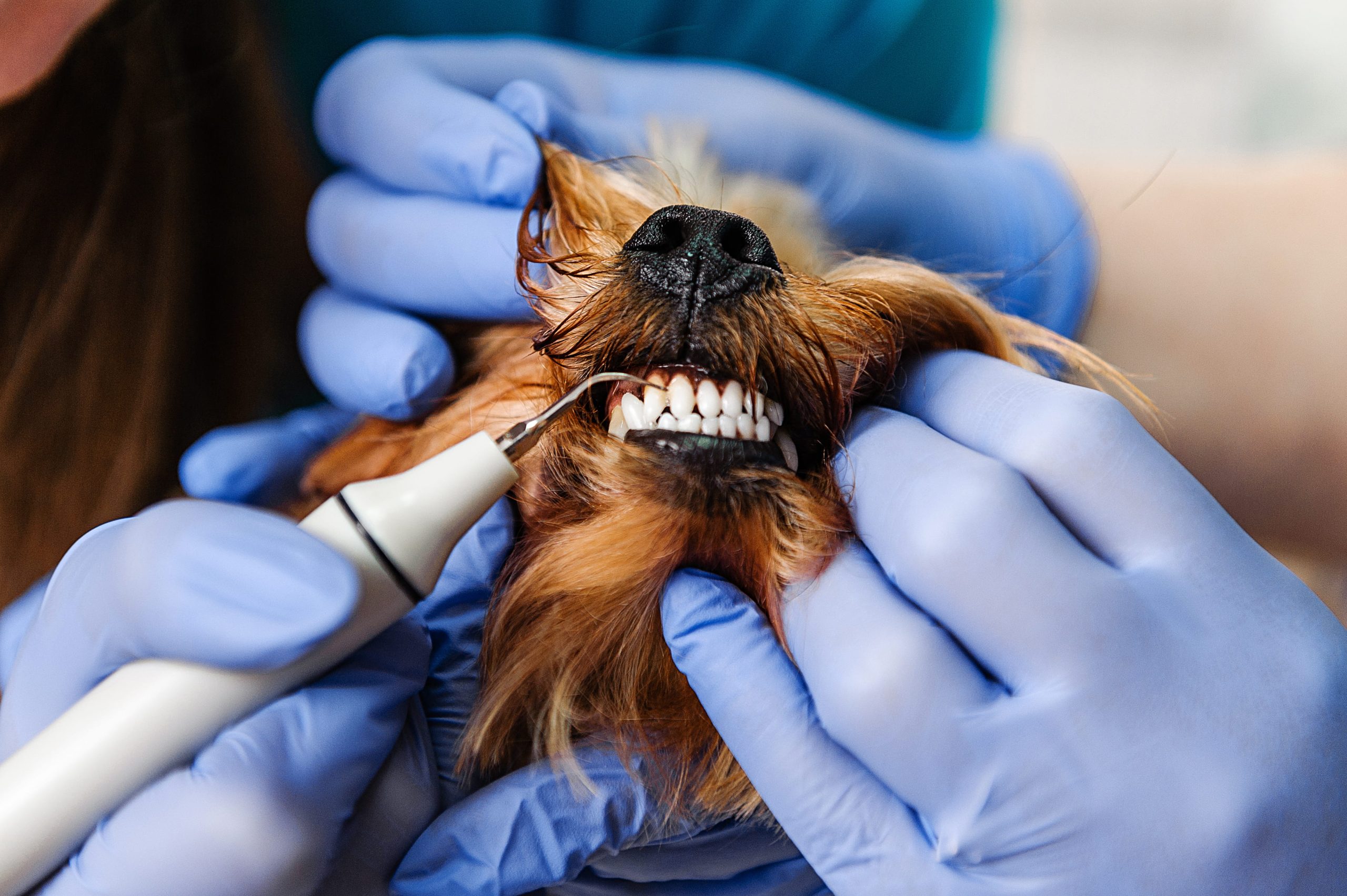
Dental disease is one of the most common medical conditions affecting dogs and cats. Unfortunately, many pets continue eating even when they have significant oral pain. They may chew on one side, swallow food whole, avoid harder treats, or simply adapt to discomfort over time.
Untreated dental disease can lead to:
- Chronic pain
- Tooth root abscesses
- Tooth loss
- Oral infection
- Difficulty eating
- Chronic inflammation
- Damage to important structures within the mouth
- Reduced quality of life
At Alliance Veterinary Procedure Center, our goal is to identify dental problems clearly, treat disease thoughtfully, and help pets return to a more comfortable, healthier life.
FAQs
Have more questions?
How Often Should My Pet Have a Professional Dental Cleaning?
Most dogs and cats should have an oral examination at least once a year. However, the right timing for a professional dental cleaning depends on your pet’s age, breed, oral health, medical history, and risk for dental disease.
Some pets need dental cleanings more often, especially if they have:
- Periodontal disease
- Fractured teeth
- Retained baby teeth
- Prior extractions
- Heavy tartar buildup
- Gum inflammation
- A history of oral infection
- Small or crowded mouths
Small breed dogs are often at higher risk for dental disease because crowded teeth can trap plaque and tartar more easily. These pets may benefit from more frequent evaluations so problems can be found before they become more painful or complex.
What Are the Signs of Dental Disease in Dogs and Cats?
Signs of dental disease in dogs and cats can be subtle. Some pets show obvious symptoms, while others hide discomfort until disease is advanced. Pet owners should watch for changes in breath, chewing behavior, appetite, and the appearance of the teeth or gums.
Common signs include:
- Bad breath
- Yellow or brown tartar buildup
- Red, swollen, or bleeding gums
- Drooling
- Pawing at the mouth
- Difficulty chewing
- Dropping food while eating
- Chewing on one side of the mouth
- Loose or missing teeth
- Swelling around the face or jaw
- Decreased appetite
- Oral pain
- Blood on toys or in the water bowl
A pet does not need to show every symptom to need care. Even one persistent sign can justify a dental evaluation, especially if your pet has visible tartar, gum inflammation, or a history of oral health problems.
Why Does My Pet’s Breath Smell So Bad?
Occasional mild odor can happen, but persistent bad breath is often a sign of pet dental disease. Odor may come from plaque, tartar, bacteria, gum inflammation, oral infection, or diseased teeth.
Bad breath should be taken more seriously when it appears with:
- Visible tartar
- Red or bleeding gums
- Drooling
- Trouble chewing
- Swelling near the mouth or jaw
- Pawing at the face
- Changes in appetite
Professional care can help improve breath by treating the source of the problem rather than simply masking odor. Fresher breath is a benefit, but the more important goal is reducing pain, infection, and inflammation.
What Happens During a Veterinary Dental Appointment?
A veterinary dental appointment begins with understanding your pet’s health, symptoms, and dental concerns. Our team reviews your pet’s history, discusses what you have noticed at home, and determines whether a dental procedure is appropriate.
When a dental procedure is performed, the process may include:
- Initial oral evaluation
- Review of health history
- Discussion of symptoms and concerns
- Anesthetic planning based on the pet’s needs
- Full-mouth digital dental radiographs
- Dental charting and complete oral assessment
- Scaling and cleaning above and below the gumline
- Polishing
- Treatment of diseased, fractured, infected, or painful teeth
- Advanced extractions or specialized procedures when needed
- Pain management
- Recovery monitoring
- Discharge instructions
- Home care guidance
This process gives our team the information needed to evaluate the entire mouth, not just the visible tooth surfaces.
Full-Mouth Dental Radiographs Are Included in Every Dental Procedure
Full-mouth dental radiographs are one of the most important parts of complete pet dental care. They allow our team to evaluate tooth roots, surrounding bone, hidden infection, tooth resorption, fractured roots, and other painful conditions that may not be visible above the gumline.
Radiographs also help guide treatment decisions. In some cases, a tooth that looks abnormal may be healthier than expected. In other cases, a tooth that appears stable may have serious disease below the surface. Imaging helps us recommend care based on evidence rather than appearance alone.
Is Anesthesia Required for Pet Dental Cleanings?
Professional dental procedures for pets typically require anesthesia. This allows the veterinary team to safely and thoroughly clean below the gumline, take full-mouth radiographs, complete dental charting, evaluate every tooth, and treat painful disease without fear, stress, or discomfort for the pet.
Anesthesia also helps protect the pet and the care team. Dental instruments, X-ray positioning, oral probing, and extractions require a still, comfortable patient. Without anesthesia, it is not possible to fully evaluate or treat the mouth with the same level of safety and precision.
At Alliance Veterinary Procedure Center, each pet receives an individualized anesthetic plan. We consider the pet’s health, age, procedure type, dental disease severity, and recovery needs when planning care.
Individualized Anesthetic Protocols Support Safer Dental Procedures
Anesthesia is a common concern for pet owners, and we take that concern seriously. Our procedure-focused environment allows us to plan carefully and monitor patients closely throughout care.
Our approach may include:
- Tailored anesthetic protocols
- Experienced anesthesia support
- Procedure-specific planning
- Monitoring during care
- Modern pain management
- Recovery observation
- Clear discharge instructions for home care
The goal is to support safety, comfort, and a smoother recovery while allowing necessary dental treatment to be performed thoroughly.
What Advanced Dental Care Procedures Are Available at Alliance Veterinary Procedure Center?
Dentistry is one of our primary areas of focus, and our team provides advanced dental procedures for pets with oral pain, damaged teeth, infection, or other complex dental needs. Each recommendation is based on the pet’s oral exam, full-mouth digital dental radiographs, comfort, long-term function, and overall health.
- Extractions: Extractions may be recommended when a tooth is fractured, infected, loose, painful, or too diseased to preserve. Our team uses advanced dental equipment, careful technique, and modern pain management protocols to remove problem teeth while supporting a smoother recovery.
- Crown Lengthening: Crown lengthening may be recommended when additional tooth structure needs to be exposed for proper evaluation or treatment. This procedure is planned on a per-tooth basis and is used when it can support a more precise, functional, and appropriate dental outcome.
- Root Canal Therapy: Root canal therapy may be an option for certain damaged or diseased teeth when preserving the tooth is appropriate. This procedure treats the inside of the tooth while helping maintain important tooth structure and function when extraction is not the preferred option.
- Vital Pulp Therapy: Vital pulp therapy may be recommended for select teeth with recent injury or exposure when the tooth is still alive and preservation may be possible. This procedure helps protect the inner tooth tissue, reduce the risk of infection, and support continued tooth function when the case is appropriate.
How Much Does a Pet’s Teeth Cleaning Cost?
The cost of a pet’s teeth cleaning depends on the pet’s specific needs. Because much of dental disease occurs below the gumline, the complete treatment plan may depend on what is found during full-mouth radiographs and oral evaluation under anesthesia.
A basic cleaning and a complex dental procedure are not the same level of care. Pets with advanced periodontal disease, fractured teeth, tooth root abscesses, or oral masses may require more treatment than pets with mild tartar buildup.
Have more questions?
Our team is here to help – please dont hesitate to reach out to our office.
Why Choose Alliance Veterinary Procedure Center for Your Pet’s Dental Care?
Pet owners and referring veterinarians choose Alliance Veterinary Procedure Center because our practice is built around focused surgery and dentistry. Dental care is not a minor add-on service for us. It is one of the central areas of our clinical work.
Our dental care model includes:
- Full-mouth digital dental radiographs on every dental procedure
- Advanced dental equipment
- Modern pain management protocols
- Individualized anesthetic planning
- Advanced extractions
- Specialized dental procedures
- Focused surgery and dentistry workflow
- Clear communication before and after care
- Collaboration with referring veterinarians
- Treatment plans tailored to each patient
Schedule a Veterinary Dental Appointment in San Antonio, TX
Dental disease is common, but it can often be treated in ways that improve comfort, reduce infection, and support a better quality of life. Alliance Veterinary Procedure Center provides advanced veterinary dental care for dogs and cats who need dental evaluation, full-mouth radiographs, advanced extractions, pain management, and specialized oral procedures. Contact our team to request an appointment or speak with your primary veterinarian about a referral.