
Mass Removal
Pet Mass Removal for Dogs and Cats in San Antonio, TX
Finding a new lump on your dog or cat is unsettling, and waiting rarely makes the answer any clearer. Alliance Veterinary Procedure Center is a focused surgery and dentistry center offering mass and lump removal for pets in San Antonio, TX, working alongside your family veterinarian on every case. Call our team today to schedule your pet's surgical consultation.
What Is a Mass or Lump on a Pet?
A mass is any abnormal growth of tissue on or inside your pet's body, and a lump is simply what most owners feel first under the skin. Some are harmless fatty deposits or cysts, while others are tumors that need prompt attention. Alliance Veterinary Procedure Center provides surgical mass removal for dogs and cats in San Antonio, TX, and the key thing to understand is that appearance and feel alone cannot tell you what a growth actually is.
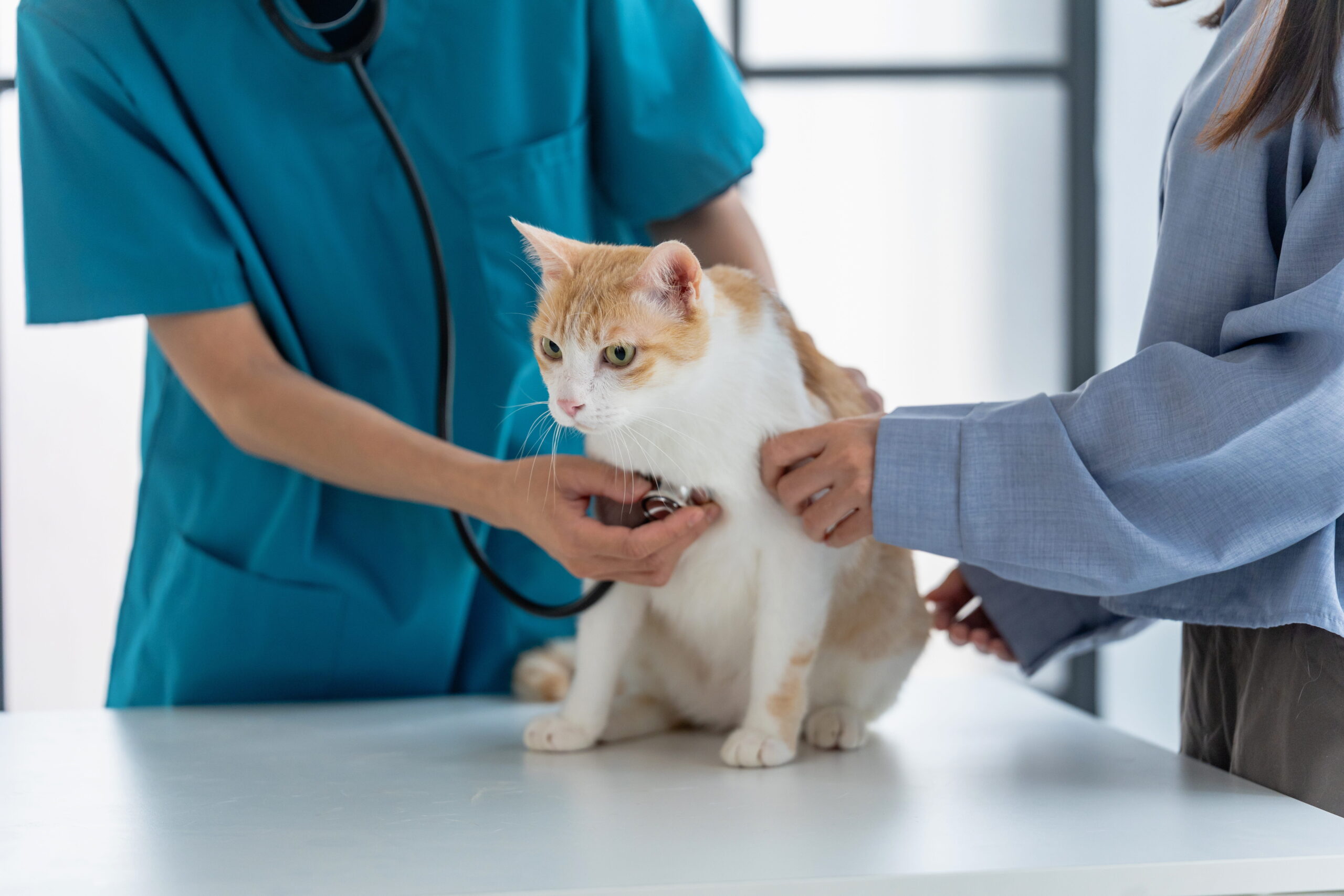
That is why every new or changing growth deserves a professional look. Our surgical team examines the size, texture, location, and behavior of the tissue, then recommends the right next step. When surgery is the answer, the tissue we remove can be sent to a pathologist so you get a real diagnosis, not a guess.
FAQs
Have more questions?
Are All Lumps on Dogs and Cats Cancerous?
No. Many growths on dogs and cats are completely benign, including fatty lumps, warts, and fluid-filled cysts. Others are malignant and can spread if they are left in place. The challenge is that a soft, slow-growing lump and an aggressive tumor can look nearly identical from the outside.
Because the difference matters so much, we never rely on looks alone. Testing the tissue is the only way to know for certain whether a growth is harmless or something that needs a wider surgical plan.
Why Might My Pet Need a Lump Removed?
A growth usually needs to come out when it threatens your pet's health, comfort, or function, or when it cannot be identified any other way. Lump removal both solves the immediate problem and gives us the tissue needed for a clear diagnosis.
Common reasons we recommend taking a growth out include the following:
- It is cancerous or strongly suspected to be cancerous
- It is growing, changing shape, or changing color
- It is bleeding, ulcerated, infected, or painful
- It interferes with walking, eating, vision, or elimination
- It sits where future growth would make surgery far more difficult
- It cannot be confidently identified from a needle sample alone
How Do You Decide Whether to Remove or Monitor a Growth?
The recommendation depends on the whole picture, not one factor. We weigh the growth's size, location, growth pattern, and effect on your pet along with your pet's age and overall health before advising surgery or watchful waiting.
Monitoring can be reasonable when a growth has already been sampled, appears benign, stays stable, and is not causing any discomfort. A growing or changing lump, one that bothers your pet, or one that comes back inconclusive on testing is far more likely to warrant removal. When we are unsure, we would rather investigate than wait.
How Are Masses Diagnosed Before Surgery?
Diagnosis starts with a hands-on exam and, when appropriate, sampling the tissue before any procedure. A fine-needle aspirate draws a small number of cells for review, and a biopsy takes a slightly larger piece for deeper analysis.
A needle sample is helpful, but it does not always give a definitive answer, so we may also recommend imaging, bloodwork, or cancer staging for larger or more concerning growths. Our practice uses digital radiography, dental X-rays, and point-of-care ultrasound to plan carefully. Larger, fixed, or rapidly changing growths sometimes call for advanced imaging or a referral to an oncologist before we operate.
What Are the Benefits of Acting Early Rather Than Waiting?
Removing a growth while it is still small is almost always easier on your pet. A smaller growth usually means a shorter incision, less reconstruction, and a more comfortable recovery.
Early action carries other advantages as well:
- You get a diagnosis sooner, which guides every decision that follows
- There is a better chance of achieving clean surgical margins if the growth is malignant
- Surgery stays simpler before the growth attaches to deeper structures
- Your treatment options stay open instead of narrowing over time
What Happens During Mass Removal Surgery?
During surgery, our team removes the growth along with a margin of healthy tissue whenever a malignancy is possible, working to protect function and appearance at the same time. Because we focus specifically on surgery and dentistry, every patient receives an individualized care plan built around the procedure ahead.
That plan includes a tailored anesthetic protocol designed for your pet's safety and comfort, supported by experienced anesthesia monitoring from intake through discharge. We use cautery and vessel-sealing tools to control bleeding and keep the procedure precise. Much of this work falls under soft tissue surgery, and it is led personally by Dr. Kaitlyn Hammontree.
Are There Risks to This Type of Surgery?
Every surgery and anesthetic carries some risk, and we believe in being honest about that. Potential complications include bleeding, infection, swelling, bruising, fluid buildup, incision opening, and delayed healing, and there is always a small anesthetic risk.
There is also a chance that a malignant growth could return, especially when clean margins cannot be achieved. We lower these risks through careful preoperative assessment, individualized anesthetic planning, precise surgical technique, comprehensive monitoring, dedicated pain management, and detailed home-care instructions. You can read more about how veterinarians approach cancer in companion animals to understand the bigger picture.
What Does Recovery Look Like Afterward?
Recovery is usually smooth when you follow the plan we send home with you. Most pets rest for the first day or two and then gradually return to normal activity as the incision heals.
We give you clear guidance on activity limits, incision care, pain control, and the warning signs that mean you should call us. Because we coordinate closely with your primary veterinarian, your pet's ongoing care stays connected long after the tumor removal surgery is complete. Our goal is a calm, well-supported recovery for both you and your pet.
What Happens to the Tissue After It Is Removed?
Whenever it matters for your pet's health, the removed tissue is submitted to a pathologist for a definitive diagnosis. Histopathology is the most reliable way to identify exactly what a growth was and whether the surgical margins are complete.
That report tells us whether the entire growth was captured and whether any further treatment is needed. It turns a single procedure into real, actionable information you and your veterinary team can use to protect your pet going forward.
Have more questions?
Our team is here to help – please dont hesitate to reach out to our office.
Why Choose Alliance Veterinary Procedure Center for Mass Removal
Pet owners choose our practice because we do one thing and do it well: focused surgical and dental care. That focus lets us offer experienced surgical skill, advanced anesthesia and monitoring, and attentive perioperative support, often at a more attainable cost than a full specialty hospital.
We also work as a partner, not a replacement, for your family veterinarian. A few reasons families and referring veterinarians trust us include:
- A surgery-focused center with efficient, well-planned scheduling
- Individualized anesthetic protocols built for each patient
- Advanced tools including digital radiography, ultrasound, and vessel-sealing devices
- Dr. Hammontree's broad surgical, dental, and emergency background
- Clear communication and honest education at every step
You can explore the full range of procedures we perform to see how this focused model supports your pet.
Schedule Your Pet's Consultation Today
If you have found a new lump or your veterinarian has recommended surgery, the next step is a consultation so we can review your pet's records, examine the growth, and build an individualized surgical and recovery plan. Not every lump is cancer, but every new or changing lump deserves a professional evaluation, and early answers give your pet the best outcome.
The team at Alliance Veterinary Procedure Center is ready to help pet owners throughout San Antonio, TX with thoughtful, focused surgical care. You can request an appointment or referral online or by phone, and learn more about Alliance Veterinary Procedure Center before your visit. Reach out today and let us give your pet the attentive, expert care they deserve.