Oral Health Exams
Oral Health Exams for Dogs and Cats in San Antonio, TX
Maybe your dog's breath has gotten worse, or your cat has started chewing on one side. Maybe your family veterinarian noticed tartar and inflamed gums at a wellness visit and suggested a closer look. Either way, an oral health exam is how you find out what is actually happening inside your pet's mouth. At Alliance Veterinary Procedure Center, we examine the teeth, gums, and oral tissues of dogs and cats in San Antonio, TX, in a center built around surgery and dentistry. Many of the pets we see still eat well and act like themselves, which is exactly why their owners are surprised by what the exam turns up. You don't need to know what's wrong before you call. Figuring that out is our job.
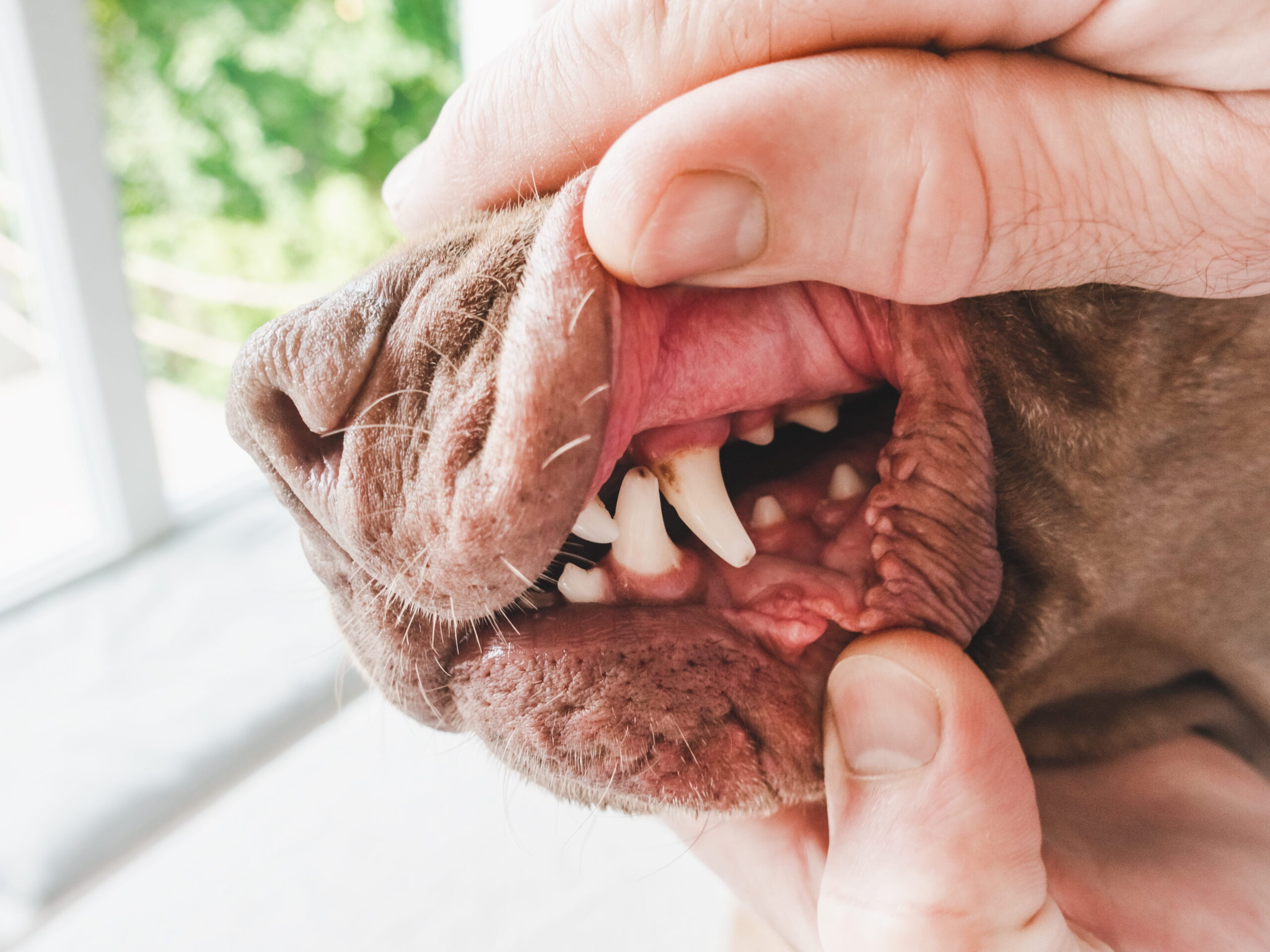
The exam happens in two parts. First, we look at your pet while they're awake. We check the teeth for tartar, fractures, and wear, look at the gums for redness or recession, and examine the tongue, palate, and cheeks for swelling or growths. That first look tells us a lot, but it can't tell us everything. A complete anesthetized dental assessment follows, and that is where the real detail comes from. With your pet asleep and monitored, we take full-mouth dental radiographs, use periodontal probing to measure the pocket around each tooth, and record every finding through dental charting. A professional cleaning is part of that same visit, and any further treatment is planned from what we find.
Most dental disease starts below the gumline, where neither you nor an awake exam can see it. A tooth can look normal on the surface while its root is infected or the bone holding it is breaking down. Dogs and cats are also very good at hiding mouth pain, so waiting until your pet stops eating usually means waiting too long. Because our team focuses on surgery and dentistry, the exam doesn't end with a referral somewhere else. If the radiographs show a problem, we can build an individualized treatment plan right here, from periodontal therapy to extractions, with anesthesia planned around your pet's age, health, and the work involved. We also work alongside your family veterinarian, so your pet's everyday care stays in familiar hands.
What Is an Oral Health Exam for Pets?
An oral health exam is a focused evaluation of your pet's teeth, gums, and the soft tissues of the mouth, meant to catch disease and pain early. We look at each tooth individually, check how firmly the gums attach, and note anything out of place, such as a growth on the gums or swelling below the eye. The mouth is one of the most common sources of hidden pain in pets, so this exam often explains changes in mood or appetite that owners hadn't connected to the teeth. Every dog dental exam and cat dental exam follows the same tooth-by-tooth approach, though cats get extra attention for tooth resorption, which is far more common in them.
FAQs
Have more questions?
What Does a Pet Dental Exam Include?
A complete exam includes an awake oral evaluation followed by a full assessment under anesthesia. Here is what that covers:
- A review of your pet's health history and symptoms
- An awake check of the teeth, gums, tongue, palate, and lips
- Anesthetic planning based on your pet's age, health, and expected treatment
- Full-mouth digital radiographs of the roots and jawbone
- Periodontal probing around every tooth to measure gum pockets
- Charting that records the condition of each individual tooth
- Scaling and polishing above and below the gumline
Every finding is recorded, giving us a baseline to compare against at the next visit.
How Is an Awake Oral Exam Different from an Anesthetized Dental Assessment?
An awake exam shows what is visible on the surface, while an anesthetized dental assessment shows what is happening under the gums and inside the jaw. We can spot tartar, inflamed gums, and broken teeth on an awake pet. What we can't do is safely slide a probe under the gumline of an alert dog or take radiographs of a cat that won't hold still with a sensor in its mouth. Anesthesia lets us examine every surface of every tooth, including the back molars most pets never let anyone see. That is why professional dental cleanings are done under anesthesia, and why anesthesia-free cleanings only polish what was already visible.
What Signs of Dental Disease Should I Watch for in My Dog or Cat?
The most common signs of dental disease are bad breath, visible tartar, and red or bleeding gums. Others are easy to blame on age:
- Trouble chewing, dropping food, or favoring one side of the mouth
- Drooling, sometimes tinged with blood
- Loose, discolored, or fractured teeth
- Pawing at the face or rubbing the muzzle along the floor
- Swelling along the jaw or just below the eye
- Losing interest in hard food or chew toys
If you see facial swelling or a broken tooth with pink tissue showing in the center, call us sooner rather than later. Both usually mean an exposed nerve or infection.
How Often Should Dogs and Cats Have an Oral Health Exam?
We recommend an oral health evaluation at least once a year for most dogs and cats, with more frequent checks for pets prone to dental disease. Pets that often benefit from a closer schedule include:
- Small and toy breed dogs, whose teeth are crowded into a small jaw
- Flat-faced breeds such as pugs, bulldogs, and Persian cats
- Senior dogs and cats
- Cats with a history of tooth resorption
- Any pet that has already had extractions or periodontal treatment
How often your pet needs a professional cleaning is a separate question,. Our veterinary dental care page covers cleaning schedules in more detail.
Is Anesthesia Safe for My Pet's Dental Assessment?
For most dogs and cats, modern anesthesia is routine and well tolerated, and the risk drops further when the plan is built for the individual pet. We review your pet's health history, age, and existing conditions, then build an anesthetic protocol around those details and the expected work. A senior cat with kidney concerns gets a different plan than a young, healthy retriever. During the procedure, your pet is monitored by an experienced anesthesia team, and recovery is watched closely until they're awake and comfortable. Age alone is rarely a good reason to leave painful teeth untreated.
What Happens if the Exam Finds a Problem?
If we find a problem, we build an individualized treatment plan from the exam findings and radiographs, and we talk with you about significant findings and our recommendations. Treatment may include:
- Professional cleaning and periodontal therapy for gum disease
- Surgical extraction of infected, fractured, or resorbing teeth
- Root canal therapy, vital pulp therapy, or crown lengthening when a damaged tooth can be saved
Because our team performs both routine and advanced dental procedures, many pets can be treated during the same anesthetic episode once you've agreed to the plan. That spares your pet a second round of anesthesia.
How Much Does a Pet Dental Exam Cost?
The cost depends on your pet's size, health, and what the exam reveals. An awake oral exam costs much less than an anesthetized assessment, which includes anesthesia, radiographs, and a professional cleaning. Treatment such as extractions adds to the total. We keep our pricing transparent, and if something we find changes the plan, we'll talk with you before going further. You can review general pricing on our surgical and dental services page. If you carry pet insurance, check with your provider about dental coverage before the visit.
Have more questions?
Our team is here to help – please don’t hesitate to reach out.
Why Choose Alliance Veterinary Procedure Center for Your Pet's Oral Health Exam
Our center focuses only on surgery and dentistry, so your pet's exam happens in a setting built for procedures. Dr. Kaitlyn Hammontree brings a background in small animal surgery and dentistry that includes complex cases at a military working dog hospital, working next to board-certified specialists. Her emergency relief work showed her how often cost limits a pet's options, which shapes our approach to accessible care. Pair that with full-mouth digital radiographs, individualized anesthesia, and a team that can treat what it finds, and your pet gets a thorough evaluation without being passed from one hospital to the next.
Plan Your Pet's Oral Health Exam with Alliance Veterinary Procedure Center
If your pet's breath has changed, a tooth looks broken, or your family veterinarian has recommended a closer look, an exam will show you what is really going on below the gumline. Alliance Veterinary Procedure Center welcomes dogs and cats from across San Antonio, TX, whether you come to us directly or through a referral. Every assessment includes full-mouth radiographs and an anesthetic plan built for your pet, so nothing is left to guesswork. Contact our office by phone, or send an online appointment request or referral form, to schedule your pet's dental assessment.